Scroll to the comparison table and you will see two different weights per stroller. They answer different questions, and mixing them up is the most common mistake.
- The child weight limit is what the stroller is rated to carry. That is the number in the table's first line, and it is the one that decides when you have to replace the stroller.
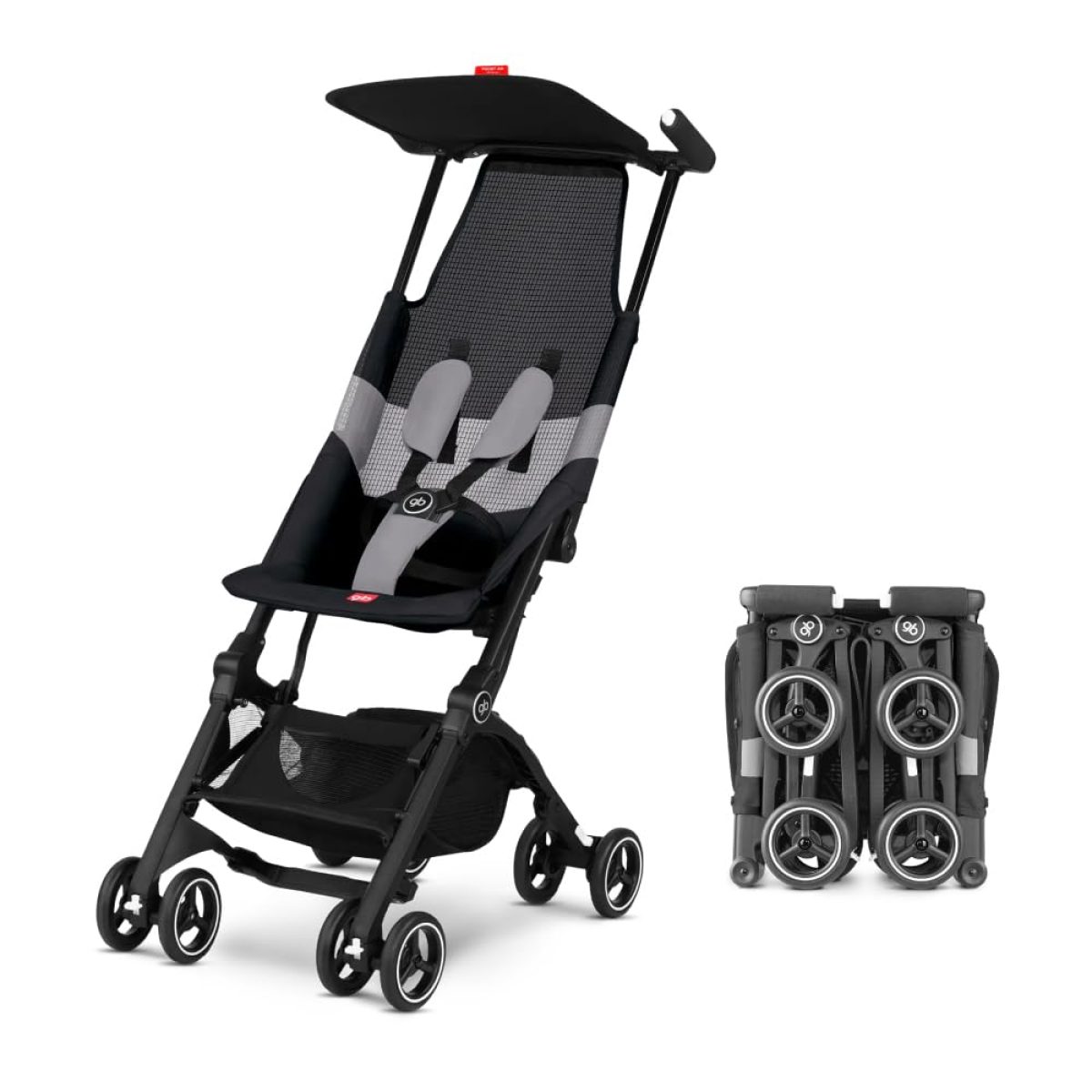
- The stroller's own weight is what you lift into a boot or carry up stairs. It matters most in the years when your child cannot walk far and you are still carrying them too.
Across the models on this page the child limits run from 30 lb to 80 lb. That is a wider spread than most parents expect, and it is not explained by price: the most expensive strollers here are not the ones with the highest limits. It is explained by what the stroller is for.
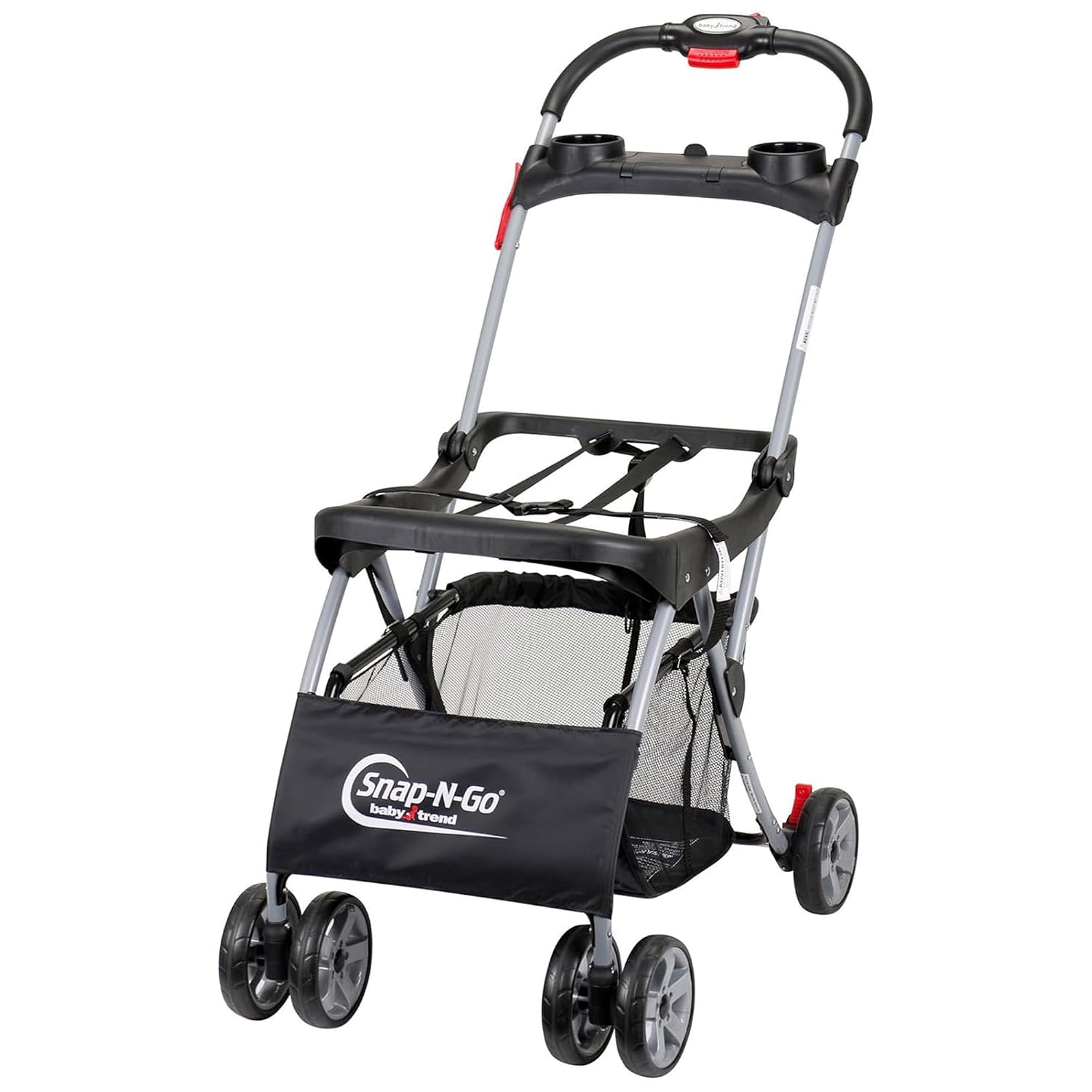
A frame is not a seat. The lowest limit here, 30 lb, belongs to a car-seat carrier frame — a device you click an infant car seat into. It is designed to carry an infant carrier, not a growing toddler, so its limit reflects a fundamentally smaller job. If you see an unusually low limit on an otherwise good stroller, check whether it is a frame.
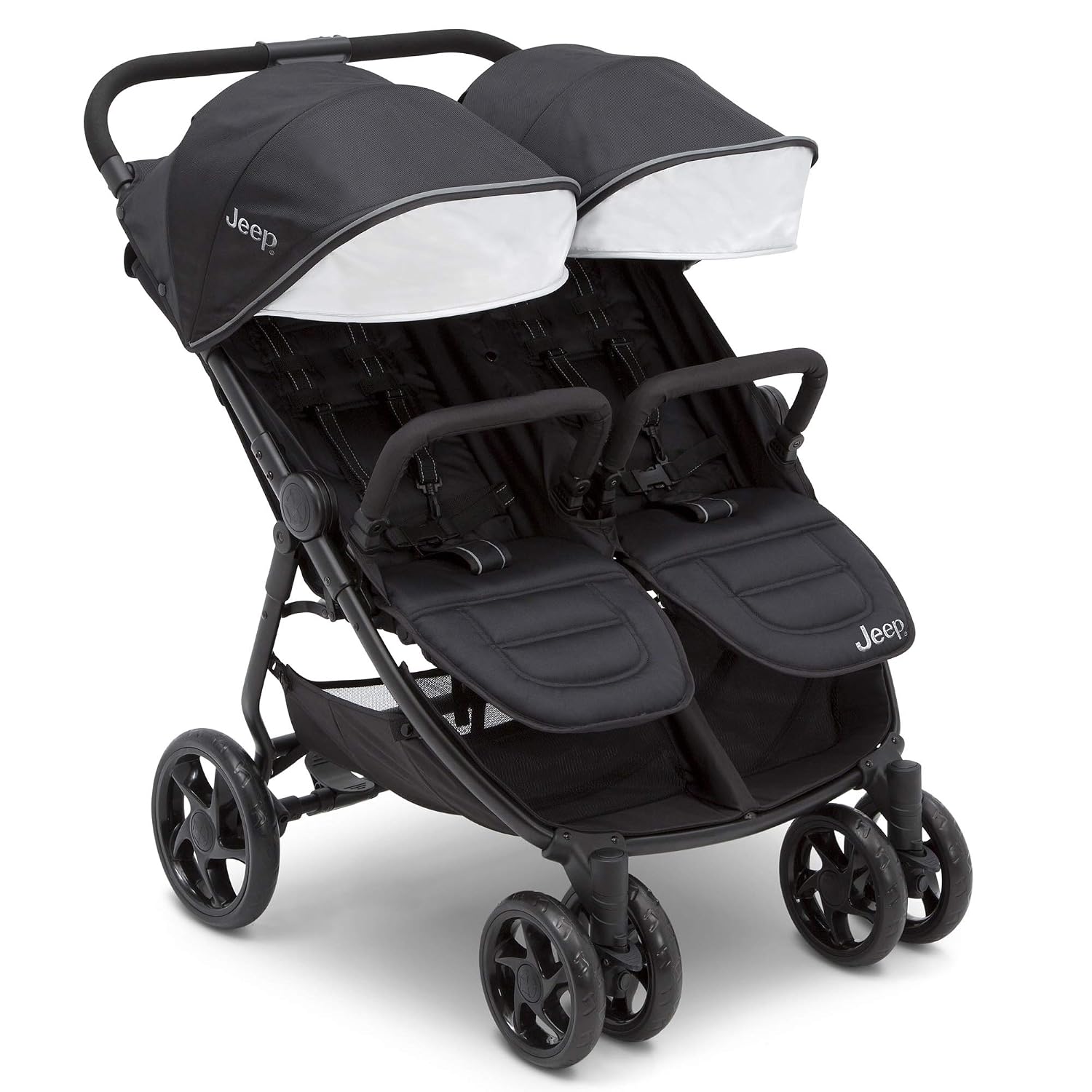
A double's limit is often per seat. The 80 lb figure on the double here covers two seats, so the practical per-child allowance is roughly half that. Check whether a quoted limit is per seat or for the whole stroller before you compare it with a single.
The limit is about weight, not age or height. A tall, light five-year-old may still be well inside a stroller's limit while being uncomfortable in it, and a heavy three-year-old may exceed it. Weight is the safety-relevant number; height and patience are separate questions.
Baskets and cup holders have their own limits. Where the manufacturer publishes one, a stroller's under-basket is typically rated to a few pounds — far less than parents load into it. That does not affect the child limit, but it does affect whether the stroller tips.