Do Car Seat Bases Expire? Complete Expiration & Safety Guide (2026) | BabyGearWise
🛡️ Child Safety Guide · 2026

Do Car Seat Bases Expire? Complete Expiration & Safety Guide

Yes, car seat bases expire — and using an expired one could put your child at risk. Here’s everything you need to know about expiration dates, why they matter, and what to do next.

BabySleepMiracle
By Sarah — Mom of 3
NHTSA & AAP Sources
Updated June 2026
12 Min Read

When my first baby was born, a well-meaning relative offered us their “like-new” car seat. It looked great — barely used, clean padding, no visible damage. But when I flipped the base over, the manufacture date was eight years old. It was expired.

That moment taught me something most parents don’t think about: car seat bases expire, and it matters more than you might think. In this guide, I’ll walk you through everything you need to know about car seat base expiration — backed by official guidance from the NHTSA (National Highway Traffic Safety Administration), the American Academy of Pediatrics (AAP), and real-world experience as a mom of three.

⚠️ Critical Safety Warning: Never use a car seat or base past its expiration date. An expired car seat may not protect your child in a crash due to degraded materials and outdated safety standards. If your seat is expired, stop using it immediately and replace it.

Do Car Seat Bases Actually Expire?

Yes, car seat bases absolutely expire. Every car seat — including the base — has a manufacturer-set expiration date, typically 6 to 10 years from the date of manufacture.

This isn’t a gimmick to sell more car seats. The expiration exists because the materials that protect your child genuinely deteriorate over time. The NHTSA states clearly that car seats should not be used beyond the manufacturer’s expiration date.

Here’s what you need to understand:

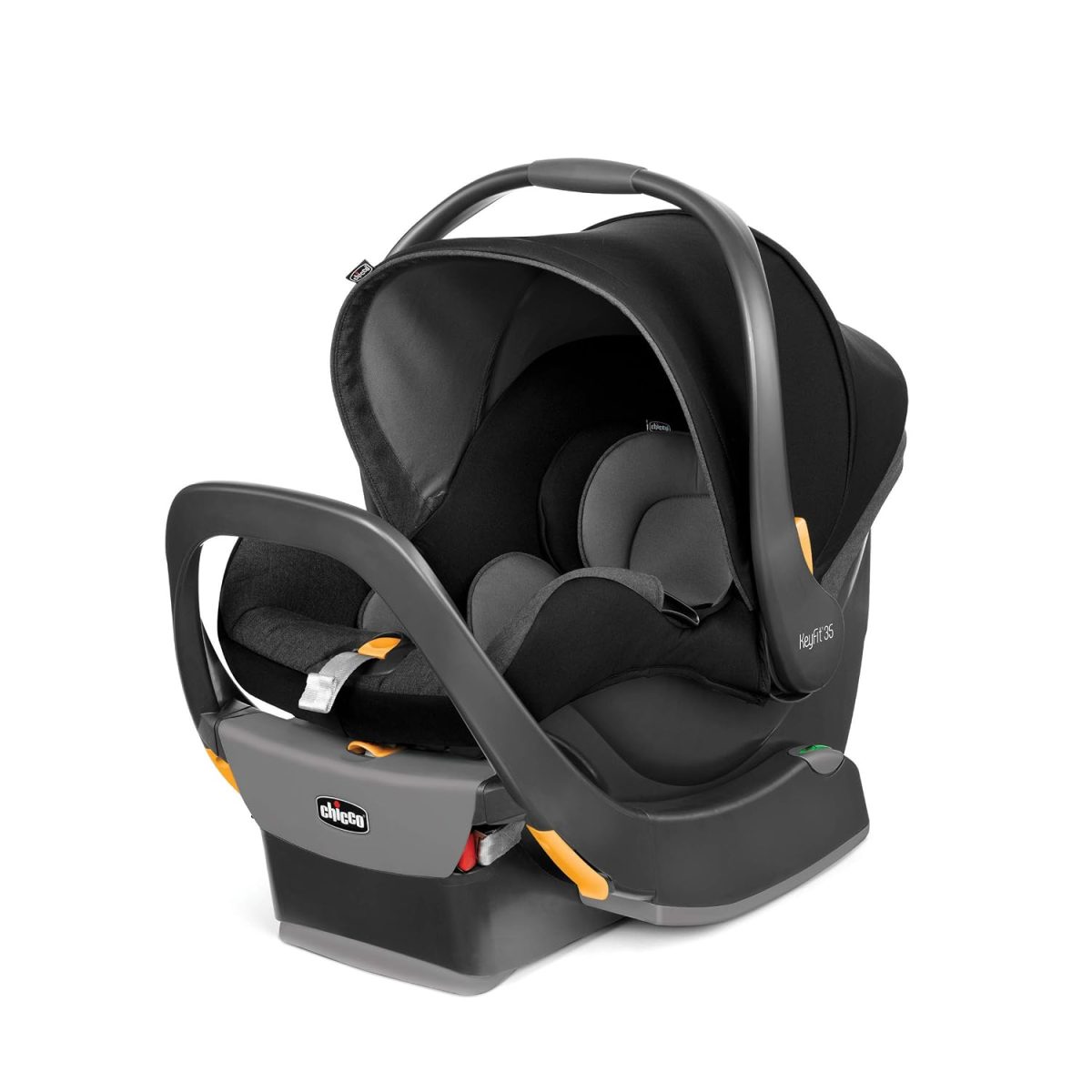
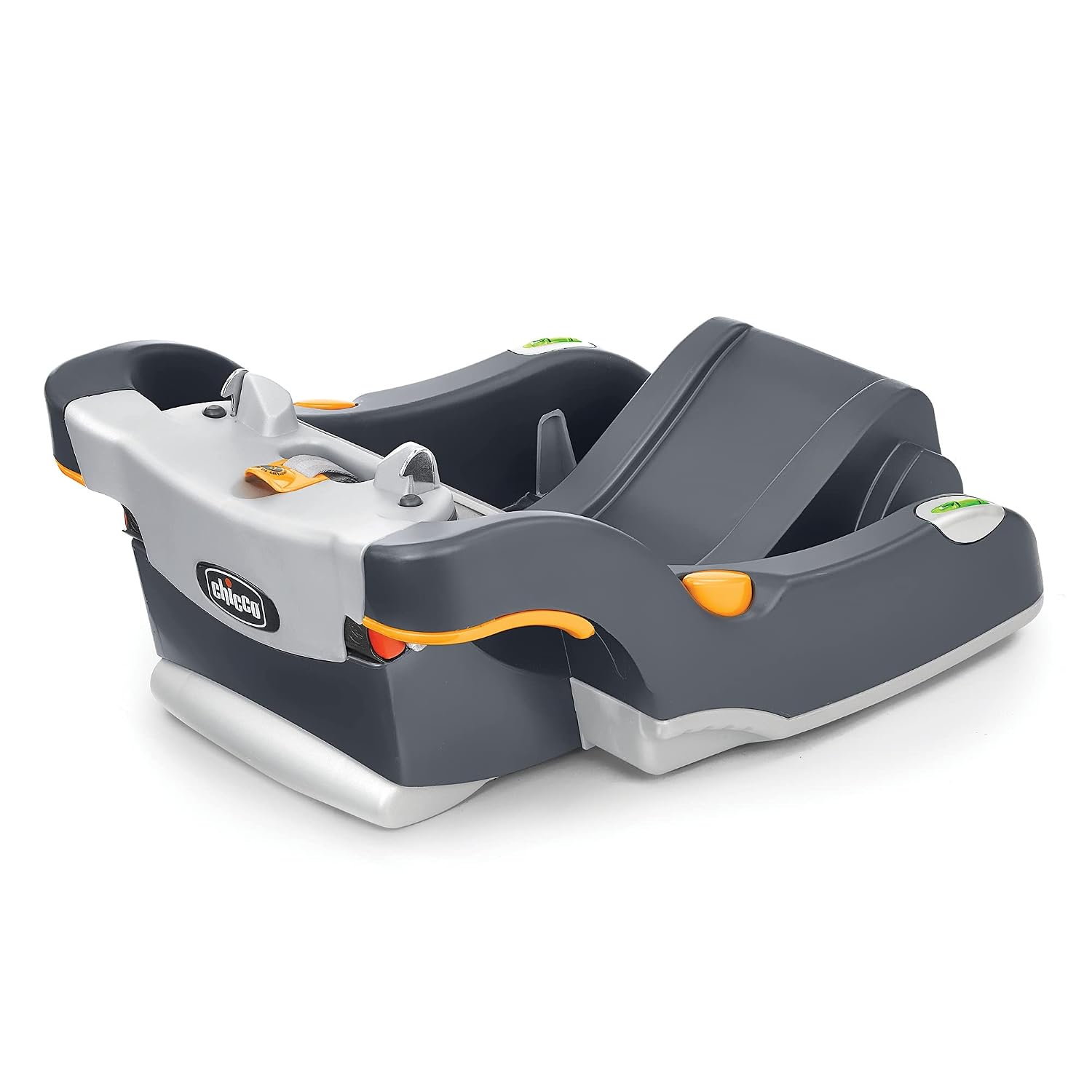
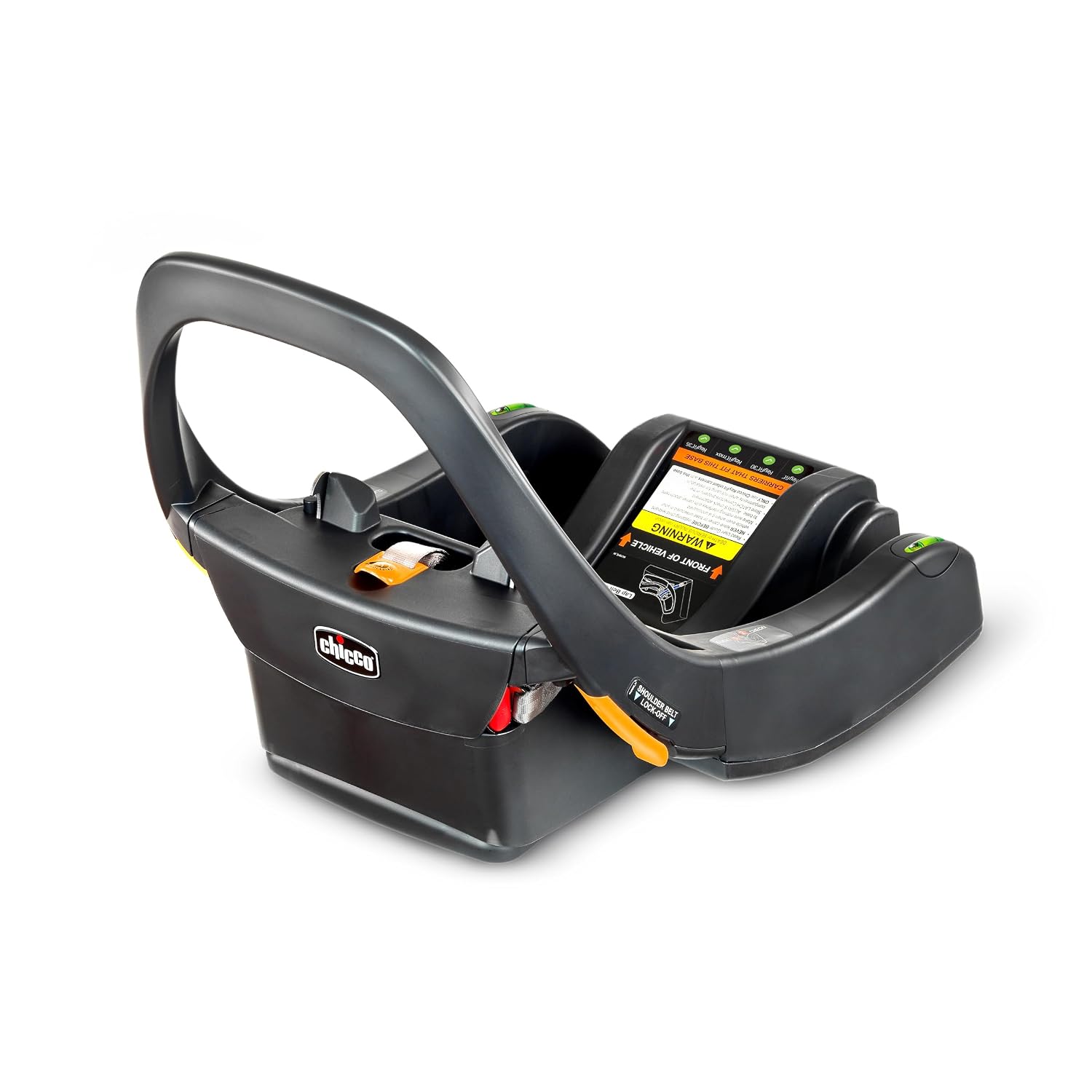
  • The base and carrier share the same expiration date. If you have an infant car seat (like the Chicco KeyFit 30), both the removable carrier and the stay-in-car base expire at the same time.
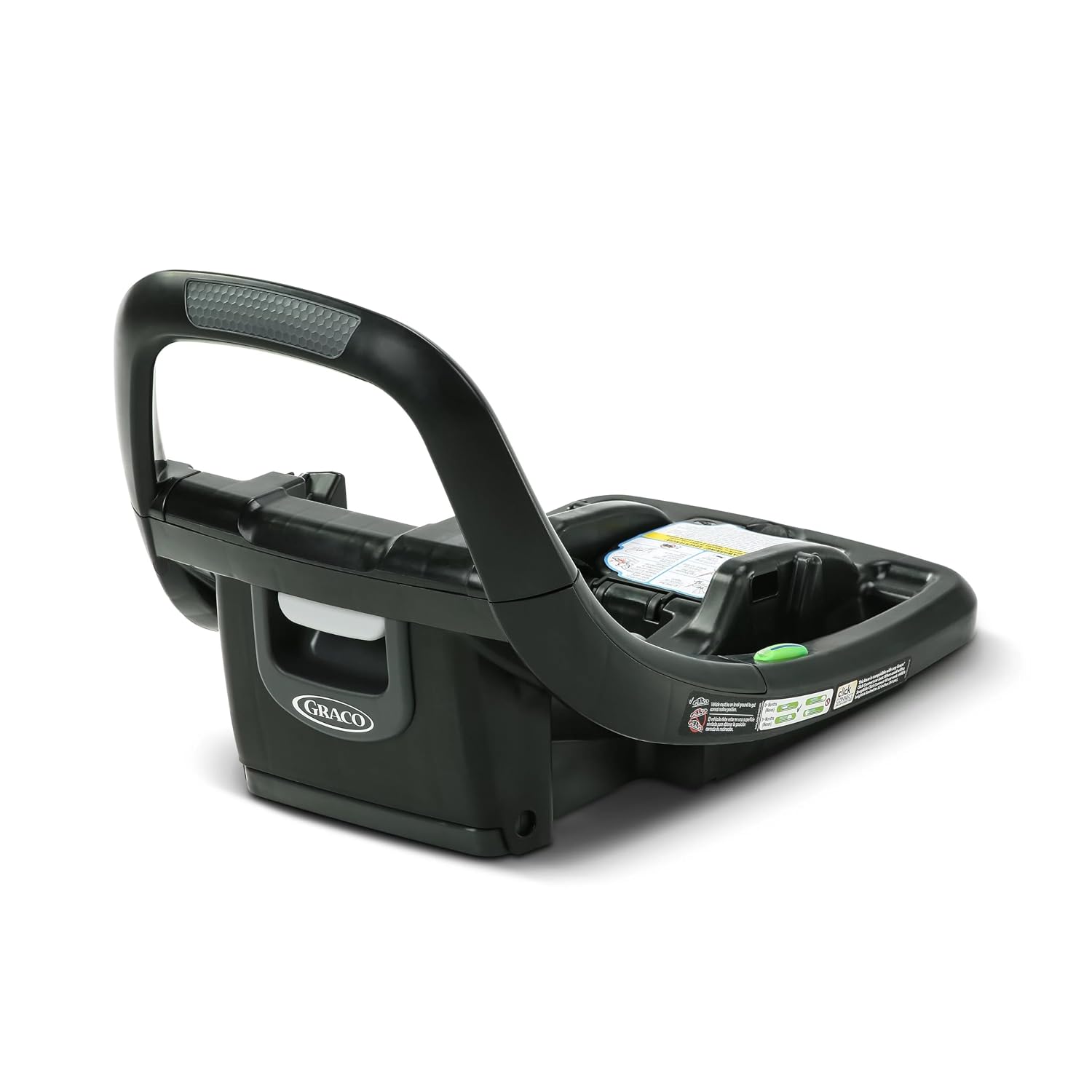
  • Convertible seats with built-in bases (like the Graco Extend2Fit 3-in-1) also expire — the entire unit, including the base portion, has one expiration date.
  • Even seats that “look fine” expire. Plastic degradation is often invisible to the naked eye. The seat might look brand new but be structurally compromised.

Key takeaway: If someone offers you a used car seat, the first thing you should check is the expiration date — not how it looks. Learn more about choosing safe car seats in our Best Car Seats 2026 Guide.

Why Do Car Seat Bases Expire?

There are three main reasons car seat bases have expiration dates, and understanding them helps you appreciate why this isn’t just about selling new products:

1. Plastic Degrades Over Time

Car seat bases are made primarily from High-Density Polyethylene (HDPE) and polypropylene plastics. While these materials are strong when new, they degrade through a process called photo-oxidation — especially when exposed to:

  • UV radiation from sunlight streaming through car windows
  • Extreme temperature swings — cars can reach 170°F in summer and below freezing in winter
  • Humidity and moisture from spills, sweat, and weather
  • Chemical exposure from cleaning products, sunscreen residue, and off-gassing from car interiors

Over years, these factors cause the plastic to become more brittle and less able to flex and absorb impact energy during a crash. According to research published in Polymer Degradation and Stability, UV-exposed polyethylene can lose up to 50% of its tensile strength over several years.

2. Safety Standards Evolve

Federal Motor Vehicle Safety Standard 213 (FMVSS 213) — the regulation governing car seats — is periodically updated. Newer seats are designed and tested to meet the latest crash test protocols and safety requirements. A seat designed 8+ years ago was built to older standards that may not reflect current crash science.

For example, the NHTSA updated FMVSS 213 in 2024 to require improved side-impact protection testing — something older seats weren’t designed to address.

3. Wear and Tear Compounds Over Time

Even careful use takes a toll:

  • LATCH connectors get stretched and weakened from repeated connecting/disconnecting
  • Harness straps fray and lose strength
  • Recline mechanisms and adjustment levers wear out
  • EPS foam (the impact-absorbing layer) compresses with use
  • Buckles and clips can develop hidden cracks from UV and heat

Sarah’s Take: I’ll admit — when I first learned about car seat expiration, I thought it was a scam. But after researching the science behind plastic degradation and talking to CPST (Child Passenger Safety Technician) friends, I’m 100% convinced it’s a genuine safety issue. The physics don’t lie — a 9-year-old plastic shell simply cannot absorb crash forces the way a new one can.

How to Check Your Car Seat Base Expiration Date

Finding your expiration date is straightforward once you know where to look. Here’s how to find it in 30 seconds:

📋 Step-by-Step: Find Your Expiration Date

  • 1
    Flip the base over or look at the back. Most manufacturers place a white sticker on the bottom or rear of the base with manufacture date and expiration date.
  • 2
    Look for stamped/molded text. If there’s no sticker, check for text molded directly into the plastic shell — often on the bottom or side. It will say “DO NOT USE AFTER” or “MFG DATE” followed by a date.
  • 3
    Check the carrier too. For infant seats with separate bases, both pieces share the same expiration. The date is usually on the carrier shell as well.
  • 4
    Calculate from manufacture date. If only a manufacture date is shown, add the brand-specific expiration period (see table below). Example: Graco manufactured January 2020 → expires January 2027.
  • 5
    Can’t find it? Check your owner’s manual, visit the manufacturer’s website, or call their customer support line with your model number and serial number.

Pro tip: Take a photo of your car seat’s manufacture date label and save it to your phone. It’s easy to forget, and you’ll want it handy when checking expiration or registering for recall notifications from NHTSA.

Car Seat Expiration Dates by Brand (2026)

Expiration periods vary significantly between brands. Here’s a comprehensive breakdown:

Brand Expiration Period Popular Models Where to Find
Graco 7 years Extend2Fit, 4Ever, Slimfit Bottom of base (sticker)
Chicco 6 years KeyFit 30, NextFit, Fit2 Bottom of seat/base (sticker)
Britax 9 years Poplar S, Boulevard, Marathon Molded into plastic shell
Baby Jogger 7 years City Turn, City Go 2 Bottom sticker
Evenflo 6–10 years Revolve360, LiteMax, Pivot Bottom of base (varies by model)
UPPAbaby 7 years Mesa V2, Knox Bottom of base (sticker)
Cybex 8 years Sirona S, Cloud G Lux Bottom/side sticker
Maxi-Cosi 8 years Mico Luxe, Emme 360 Bottom sticker
Nuna 7 years Pipa, Rava Bottom of seat shell
Clek 9 years Fllo, Foonf, Liing Molded into seat base

Important: These are general guidelines — specific models within a brand may have different expiration periods. Always check your exact seat’s label, not just the brand’s general policy. If in doubt, call the manufacturer.

What Actually Happens When a Car Seat Base Expires

Understanding what physically happens to an expired car seat helps explain why expiration isn’t just a suggestion:

1
Plastic Becomes Brittle
The HDPE shell loses flexibility. Instead of absorbing and distributing crash forces, it may crack or shatter on impact — exactly when you need it most.
2
Foam Compresses
The EPS (expanded polystyrene) foam lining compresses over time, reducing its ability to cushion your child during sudden deceleration.
3
Harness Weakens
Webbing straps lose tensile strength from UV exposure and repeated use. They may not hold your child securely at crash-level G-forces.
4
Connectors Fatigue
LATCH anchors, buckle mechanisms, and adjustment hardware experience metal fatigue, increasing the risk of failure under extreme stress.

The combined effect is a car seat that may look perfectly fine but cannot be trusted to perform in a crash. No parent wants to discover their car seat has failed at the moment they need it most.

The Real Dangers of Using an Expired Car Seat Base

Let’s be specific about the risks:

  • Structural failure during impact. The base may crack, deform, or separate from the car’s anchor points during a collision, causing the carrier to become a projectile.
  • Reduced energy absorption. Degraded plastic and compressed foam absorb less crash energy, transferring more force directly to your child’s body.
  • LATCH failure. Worn LATCH connectors may not hold the base securely to the vehicle’s anchor points, allowing excessive movement during a crash.
  • Harness failure. Weakened straps may stretch or tear under crash forces, allowing your child to be ejected from the seat.
  • No recall protection. Manufacturers stop monitoring and issuing recall notices for expired products. You may miss critical safety fixes.
  • Insurance and legal issues. Some insurance companies may deny injury claims if a child was restrained in an expired car seat. This isn’t common, but it’s a documented concern.

Real-world consequence: According to the NHTSA, car seats reduce the risk of fatal injury by 71% for infants and 54% for toddlers when used correctly with non-expired equipment. Using expired equipment undermines these statistics.

If you’re currently using a car seat and aren’t sure about its expiration status, check it today. It takes 30 seconds and could save your child’s life. If you need to find a replacement, our Car Seat Finder Quiz can help you pick the right one in 60 seconds.

How to Safely Dispose of an Expired Car Seat

Disposing of an expired car seat properly is just as important as replacing it. You need to make sure nobody else can use it. Here’s the right way:

Step 1: Destroy It So It Can’t Be Reused

  • Cut all the harness straps with scissors or a utility knife
  • Remove the padding and fabric cover completely
  • Write “EXPIRED — DO NOT USE” on the plastic shell with permanent marker (multiple sides)
  • If possible, remove or break the buckles

Step 2: Check for Recycling & Trade-In Programs

Several retailers run car seat recycling and trade-in events:

  • Target Car Seat Trade-In Event — Happens 2–3 times per year. Bring any old car seat (expired, damaged, or just outgrown) and receive a 20% off coupon for a new car seat, stroller, or select baby gear.
  • Walmart Car Seat Recycling — Periodic recycling events with similar coupon incentives.
  • Local waste authority — Many cities now have dedicated car seat recycling programs. Call your local solid waste department to check.

Step 3: If No Recycling Is Available

If you can’t find a recycling program nearby, place the destroyed seat in the trash — ideally inside a black garbage bag so people won’t see it and try to salvage it. Never leave an expired car seat on the curb where someone might take it and use it for their child.

Never donate an expired car seat. Even to Goodwill, Facebook Marketplace, or a church donation drive. It might seem wasteful, but an expired seat is genuinely dangerous, and someone could unknowingly put their child in it.

When & How to Replace Your Car Seat

Beyond expiration, there are several situations where you should replace your car seat immediately:

Replace Your Car Seat If:

  • ✅ It’s expired (check the date today!)
  • ✅ It’s been in a moderate or severe car crash — even if it looks undamaged. The NHTSA guidelines on post-crash use explain when replacement is required vs. when it’s safe to reuse.
  • ✅ It’s been recalled and can’t be repaired with manufacturer-provided parts
  • ✅ You don’t know its full history (used seats from strangers, garage sales, etc.)
  • Parts are missing — the manual, harness chest clip, LATCH connectors, etc.
  • ✅ There’s visible damage — cracks in the shell, fraying straps, broken buckle

How to Choose a Replacement

When it’s time to buy a new seat, consider:

Not sure what to buy? Take our free Car Seat Finder Quiz — answer 6 quick questions and get a personalized recommendation based on your child, car, and budget. Or start with our Best Car Seats 2026 comprehensive guide.

How to Check for Car Seat Recalls

Beyond expiration, you should regularly check whether your car seat has been recalled. Recalls are issued when manufacturers discover safety defects — and they can affect brand-new seats, not just older ones.

3 Ways to Check for Recalls:

  1. NHTSA Recall Lookup Tool — Search by brand and model. This is the most comprehensive database.
  2. Register your car seat with the manufacturer — Most brands include a registration card. This ensures you’ll be contacted directly if a recall is issued.
  3. Sign up for NHTSA email alerts at nhtsa.gov/alerts to receive automatic notifications about all child safety equipment recalls.

Did you know? In 2024 alone, over 1.2 million car seats were recalled in the U.S. across multiple brands. Most parents never check. Don’t be one of them.

If your seat is recalled, do not use it until the recall remedy is applied. Contact the manufacturer for free repair parts or a replacement. Most recalls provide a free fix — you shouldn’t have to pay anything.

Frequently Asked Questions

Q: Do car seat bases expire?
Yes. Car seat bases expire, typically 6 to 10 years after the date of manufacture. The expiration date is printed on a sticker or stamped directly into the plastic on the bottom or back of the base. Both the carrier (the seat itself) and the base share the same expiration date.
Q: Why do car seat bases expire if they look fine?
Plastic degradation is invisible. The HDPE plastic used in car seats breaks down at a molecular level from UV exposure, extreme heat/cold, and chemical exposure in cars. The seat may look brand new but have lost significant structural integrity. Additionally, safety standards are updated regularly — an 8-year-old seat was designed to meet older crash test protocols. Read our Best Car Seats 2026 Guide to see how modern seats compare.
Q: Can I buy a replacement base without replacing the whole seat?
For infant carrier seats (like the Chicco KeyFit 30), you can sometimes purchase an extra base separately for a second car. However, if both the base and carrier share the same manufacture date, they’ll expire at the same time regardless of whether the base is new or not. A new base doesn’t extend the carrier’s expiration. If the seat is expired, you need to replace the entire system — carrier and base.
Q: Is it safe to buy a used car seat?
Only if you can verify its full history. Check that: (1) It’s not expired, (2) It’s never been in a crash, (3) It hasn’t been recalled (check NHTSA recalls), (4) All parts and the manual are included, (5) There’s no visible damage. If you can’t verify all five, buy new. Our Car Seat Finder Quiz can help you find the best new seat for your budget.
Q: What if I can’t afford a new car seat?
There are several options: (1) Target and Walmart trade-in events offer 20% off coupons when you bring in any old seat. (2) Many hospitals and fire stations have car seat assistance programs for low-income families. (3) State health departments often run free car seat distribution programs — contact your local WIC office. (4) The Graco Extend2Fit at $209 offers exceptional safety at a budget-friendly price.
Q: Do car seats expire in the box if never opened?
Yes. The expiration clock starts from the date of manufacture, not the date of purchase or first use. Even a factory-sealed car seat in perfect storage conditions will expire based on its manufacture date. Plastic degradation begins at the molecular level as soon as it’s produced, though it’s slower when not exposed to UV and temperature extremes.
Q: Does the expiration date change if I store the seat indoors?
No. Indoor storage slows degradation but doesn’t change the manufacturer’s expiration date. The expiration period already accounts for a range of conditions. Manufacturers set it based on worst-case realistic scenarios — so even well-stored seats must be replaced by the printed date.
Q: How do I check if my car seat has been recalled?
Visit the NHTSA Recall Lookup Tool and search by your car seat brand and model number. You can also sign up for automatic email alerts at nhtsa.gov/alerts. In 2024 alone, over 1.2 million car seats were recalled across multiple brands.

Is Your Car Seat Still Safe?

Check your seat’s expiration date today. If it’s expired or close to expiring, take our free quiz to find the perfect replacement — or download the safety checklist for your glove box.

About the Author

Sarah is a mom of three who has spent over 7 years researching baby gear safety. She founded BabyGearWise to share honest, research-backed content so parents can make informed decisions without the marketing noise. This article was researched using official sources from the NHTSA, AAP, and peer-reviewed materials science publications.

Medical Disclaimer: This article is for informational purposes only and does not constitute professional safety advice. Always refer to your car seat’s owner manual and consult a certified Child Passenger Safety Technician (CPST) for installation help. | Last Updated: June 15, 2026 | Affiliate Disclosure: This post contains affiliate links. We may earn a commission at no extra cost to you.

Similar Posts