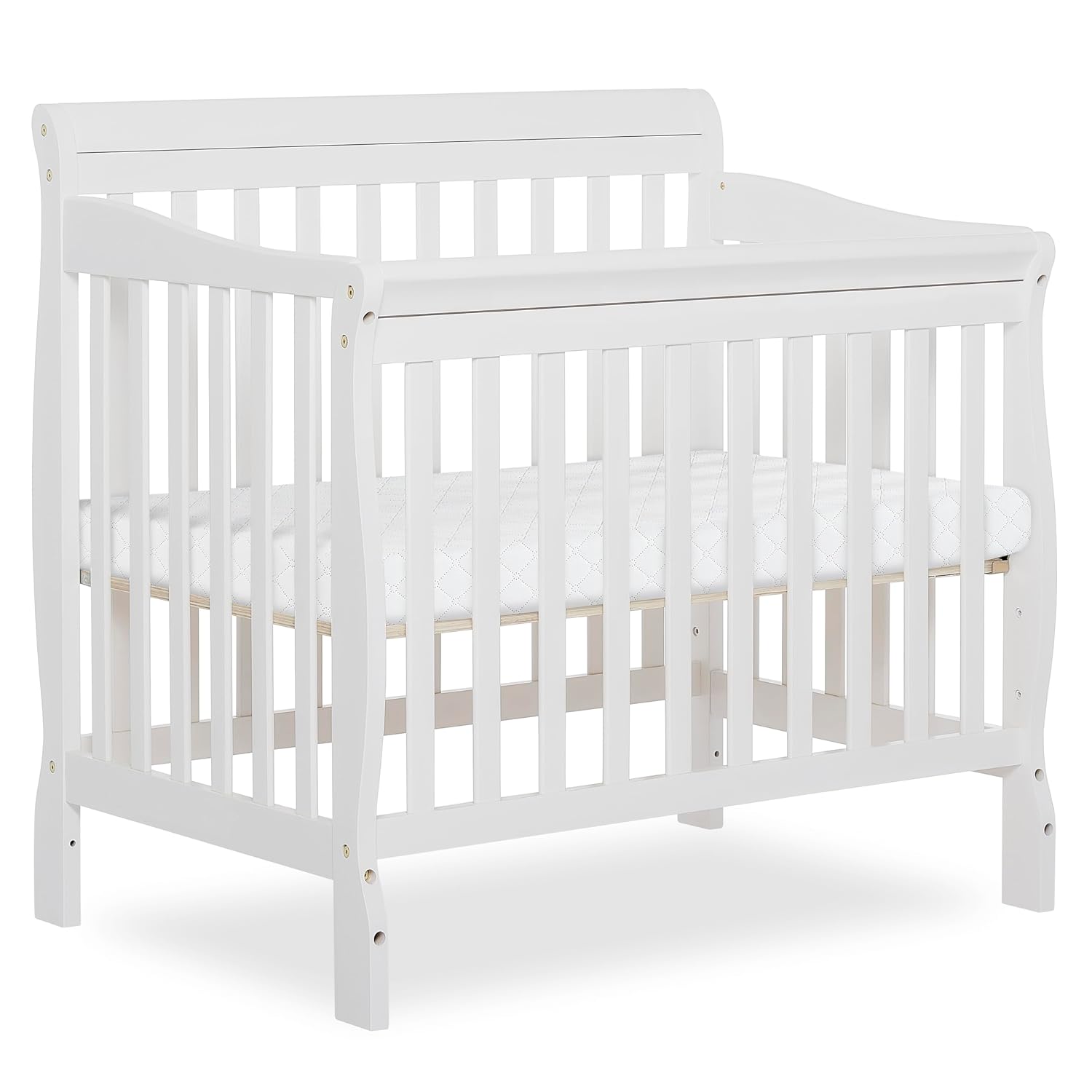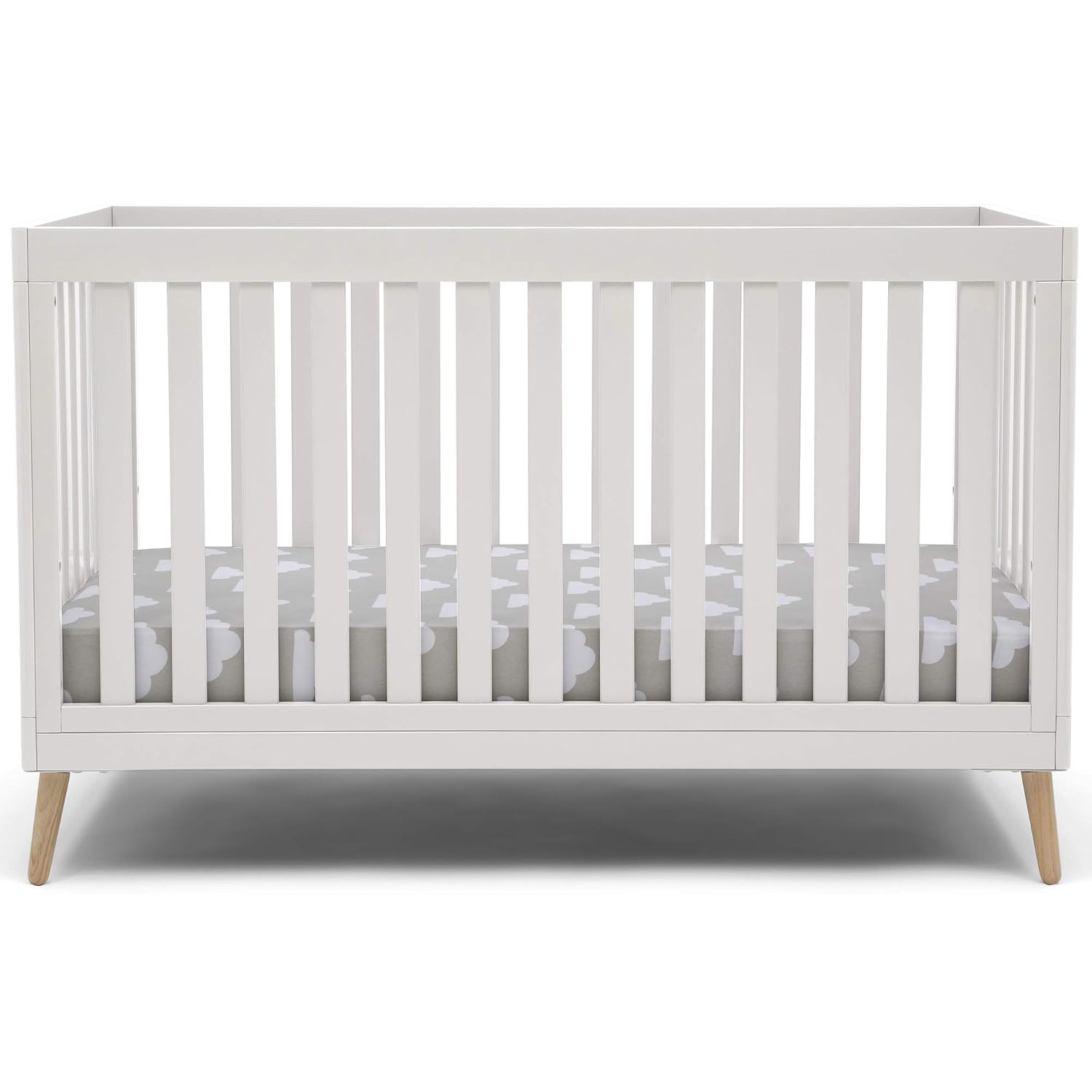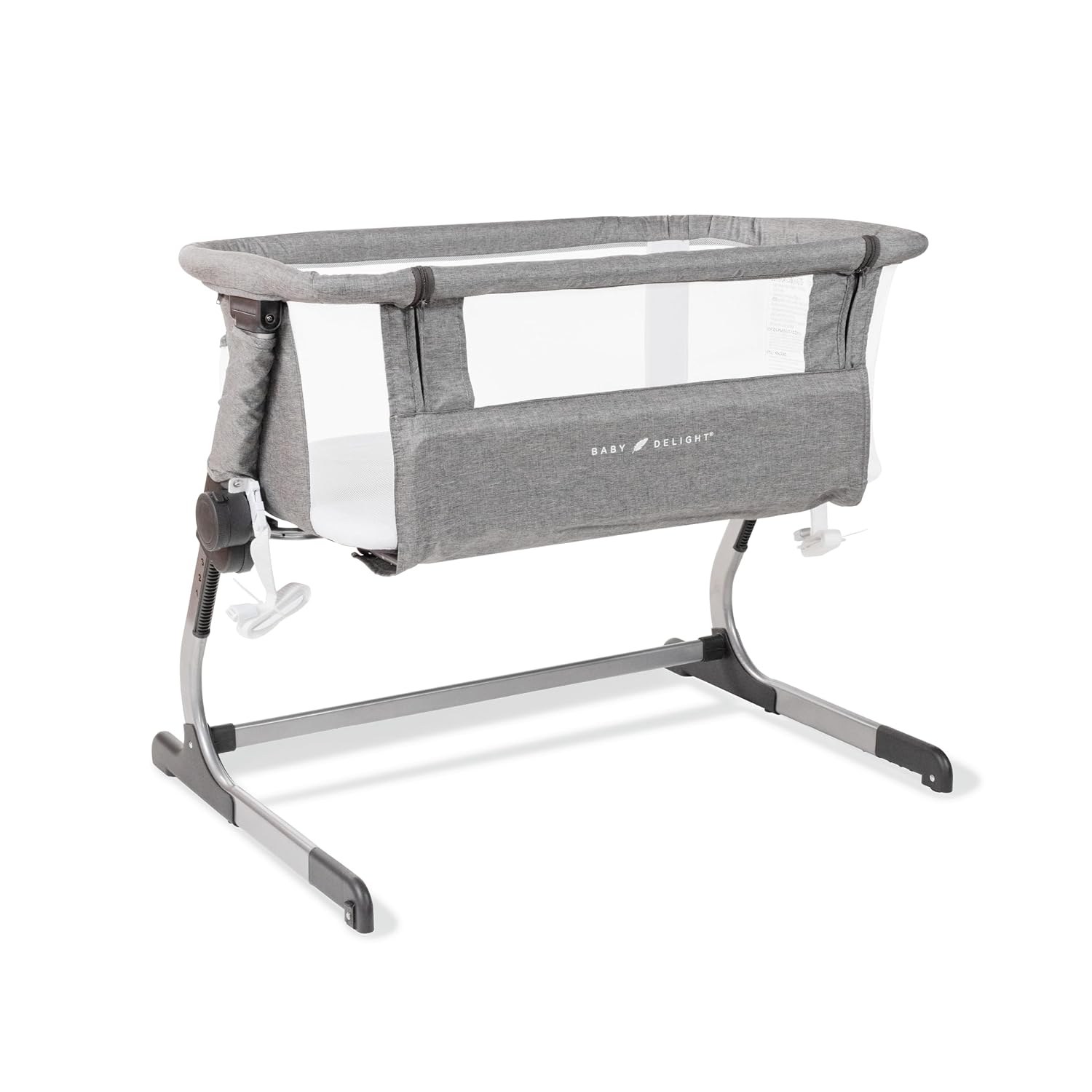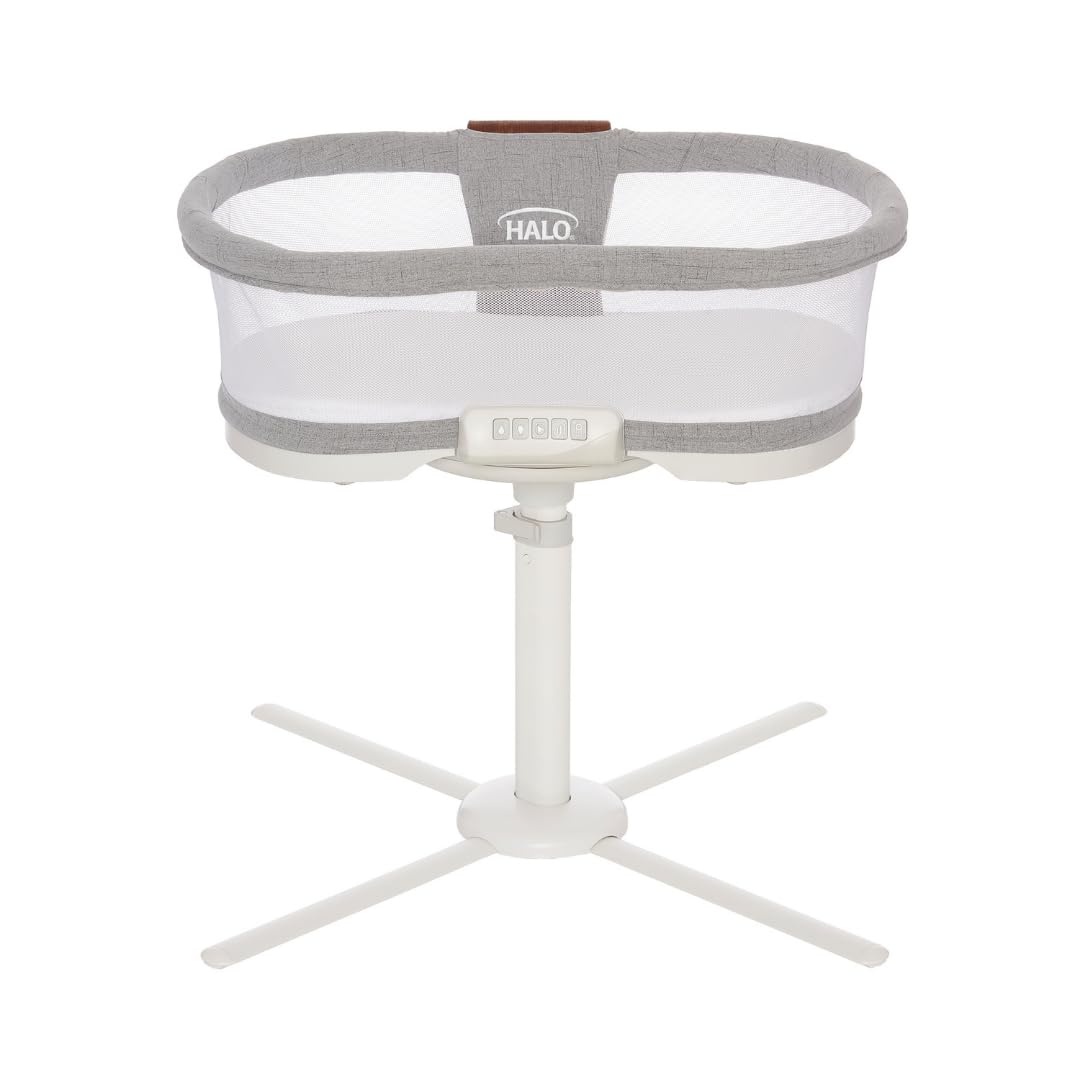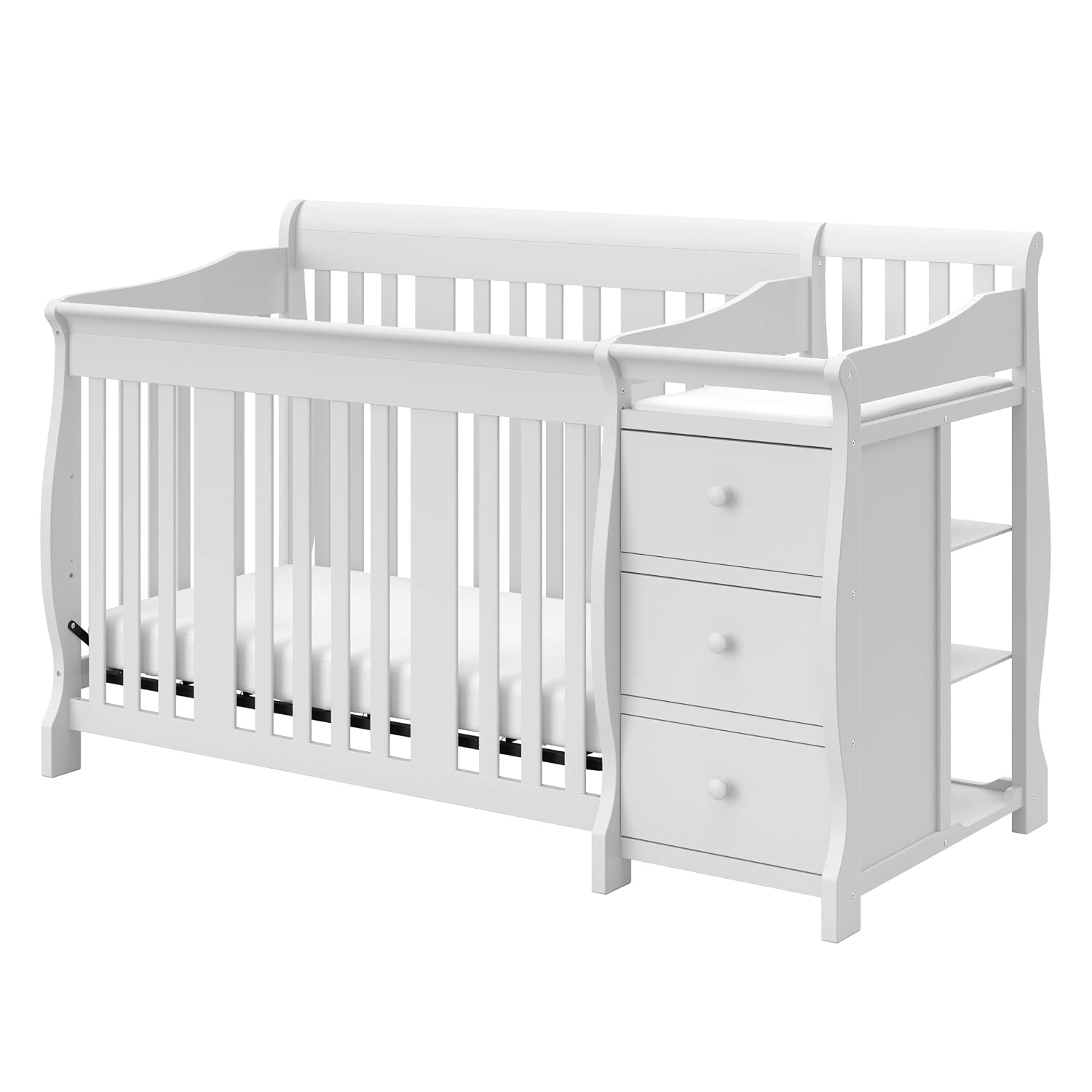

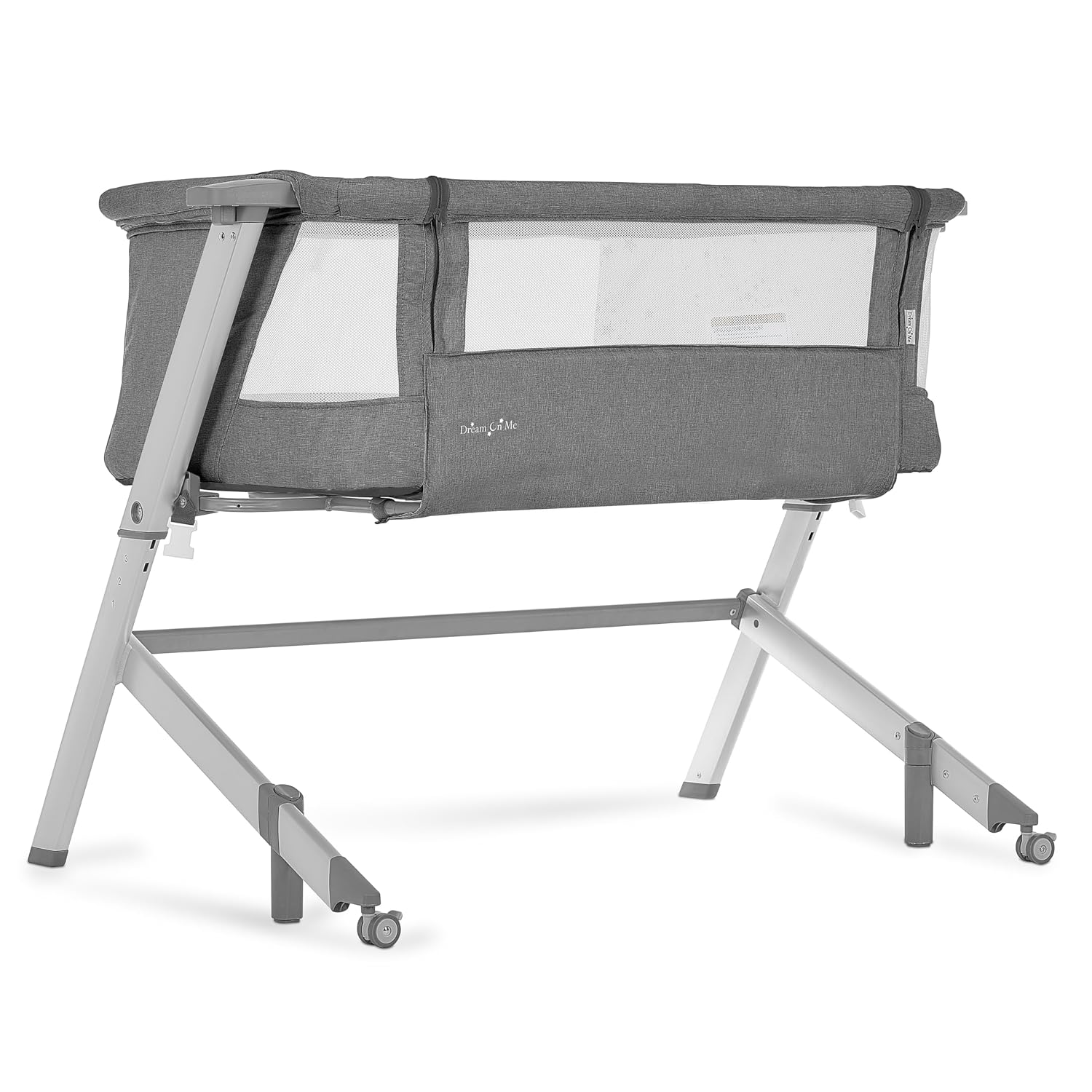
When to Transition Your Baby from Bassinet to Crib
Navigating sleep changes can be tough. Discover when’s the right time to move your baby from a bassinet to a crib with advice from a fellow mom who’s been there.
Listen to This Article
Perfect for busy parents — listen while you feed, rock, or fold laundry.
⏱️ Duration: 9 minutes
📑 Table of Contents
Making the shift from a cozy bassinet to the wide, open world of a crib is a major step for both you and your baby. I remember anxiously googling “when to move baby to crib” in the wee hours, feeling so overwhelmed. If you’re feeling the same way, take a deep breath — you’re not alone.
💡 What You’ll Learn in This Guide:
- The ideal time to transition your baby from bassinet to crib
- Why timing is crucial for better sleep
- The signs your baby is ready for the move
- Practical steps to a smooth transition
Over the years, testing over 50 baby products and raising my three adventurous kids, I’ve gathered some insights that I wish someone had shared with me during those sleep-deprived early days. Let’s dive into what you need to know.

Understanding When to Transition
Moving your baby from a bassinet to a crib is a significant step in their development and your role as a parent. Typically, this transition occurs between three to six months of age, but it can vary. According to Huckleberry, many parents initiate this change due to their baby’s increased movement and weight.
When my youngest hit the four-month mark, I noticed he was getting too big for his bassinet and was starting to roll over more confidently. According to an insightful discussion found on Reddit, these are common signs noticed by many parents. Remember, there’s no one-size-fits-all answer; instead, focus on what’s right for your own baby and family routine.
Developmental Milestones
According to Cradlewise, watching for developmental milestones like increased activity and ability to roll is helpful. Each baby develops at their own pace, so these are guidelines rather than strict rules.
Why Timing Matters
Choosing the right time to transition your baby from a bassinet to a crib is crucial. The American Academy of Pediatrics (AAP) suggests that a safe sleep environment, which a crib can provide, can reduce the risk of SIDS (Sudden Infant Death Syndrome). Your baby’s safety and comfort are the primary concerns during this shift.
🔬 What the Research Says: According to the Mayo Clinic, once babies show signs of outgrowing their bassinet, moving to a crib ensures more space for safe sleep.
Safety Considerations
The USDA recommends following manufacturer’s guidelines regarding the maximum weight and height limits of bassinets. Exceeding these limits is a sign it’s time to upgrade to a crib.
🎥 Baby’s Transition from Bassinet to Crib Explained
Learn about signs indicating your baby is ready to transition from bassinet to crib, and how to safely make the transition.
Recognizable Signs
So how do you know your baby is ready? Look for signs like frequent attempts to roll over, a weight nearing the bassinet’s limit, or waking up more often due to limited space. Trust me, I learned to spot these signs with my three journeying through this stage!
Mom’s Tricks
A handy tip I’ve found with my youngest is observing how they sleep. Babies who frequently hit the sides of the bassinet or seem restless might feel restricted. These cues can provide the confidence needed to make the big move.
⚠️ When to Talk to Your Pediatrician: If you notice your baby struggling with sleep, weight issues, or developmental delays, it’s a good idea to consult a pediatrician for tailored advice.

Practical Transition Strategies
From my experience, preparation and gradual adjustments help settle babies into their new sleep environment with minimal fuss. Here are some strategies that worked for me:
Introduce the Crib During the Day
Allow your baby to play or nap in the crib during the day, familiarizing them with the new environment in a non-stressful way. My 1.5-year-old loved watching the crib mobile, making it feel like a more welcoming space.
Maintain a Consistent Bedtime Routine
Consistency is comforting. If your baby is used to a certain bedtime ritual, keep it going. Familiar toys, blankets, or lullabies can make the transition smoother.
Make the Crib Cozy
While adhering to safety guidelines, consider a snug sleep sack to mimic the cozy feel of a bassinet, making the crib feel like a natural sleep space.
🎥 Transition Tips from Bassinet to Crib
Step-by-step guide on implementing practical transition strategies that make the crib feel like home for your baby.

Common Myths and Mistakes
Misconceptions often cloud the process of transitioning from a bassinet to a crib. Here’s what to watch out for:
❌ Myth: You should wait until your baby sleeps through the night.
✅ Fact: Transitioning to a crib does not require perfect sleep habits. According to Kido Bébé, the move can positively influence sleep patterns.

💬 Sarah’s Take: Honestly, I wish I’d known with my first just how adaptable babies can be. The transition is about finding what works for your family — not worrying about a timeline. When my 5-year-old first moved, I had all these fears, but each of my kids taught me that resilience trumps perfection. Go easy on yourself — it’s a learning adventure for all!

❓ Frequently Asked Questions
When should I move my baby from bassinet to crib?
Most babies transition between three to six months, depending on their size, movement, and specific needs. Adjust based on developmental signs like increased mobility and bassinet capacity.
How can I make the crib transition easier?
Introduce the crib during nap times, maintain familiar bedtime routines, and ensure the crib environment feels safe and cozy. Your presence and reassurance go a long way!
Is it okay for babies to cry during the transition?
It’s natural for babies to react to change with tears. Comfort your baby, and be patient as they adjust. Establish a comforting routine and stick with it.
Do I need to use a sleep sack?
While not necessary, a sleep sack can offer warmth and security, similar to the bassinet, without loose blankets, which are not safe for infants.
What if my baby prefers the bassinet?
This is common. Gradually introduce the crib, mix in day-time familiarization, and maintain a comforting atmosphere. Transition is a process.
📬 Want More Honest Mom-to-Mom Parenting Guides?
Join 25,000+ parents getting weekly real-world tips, honest reviews, and mom-tested advice from someone who’s actually been in the trenches with three kids.